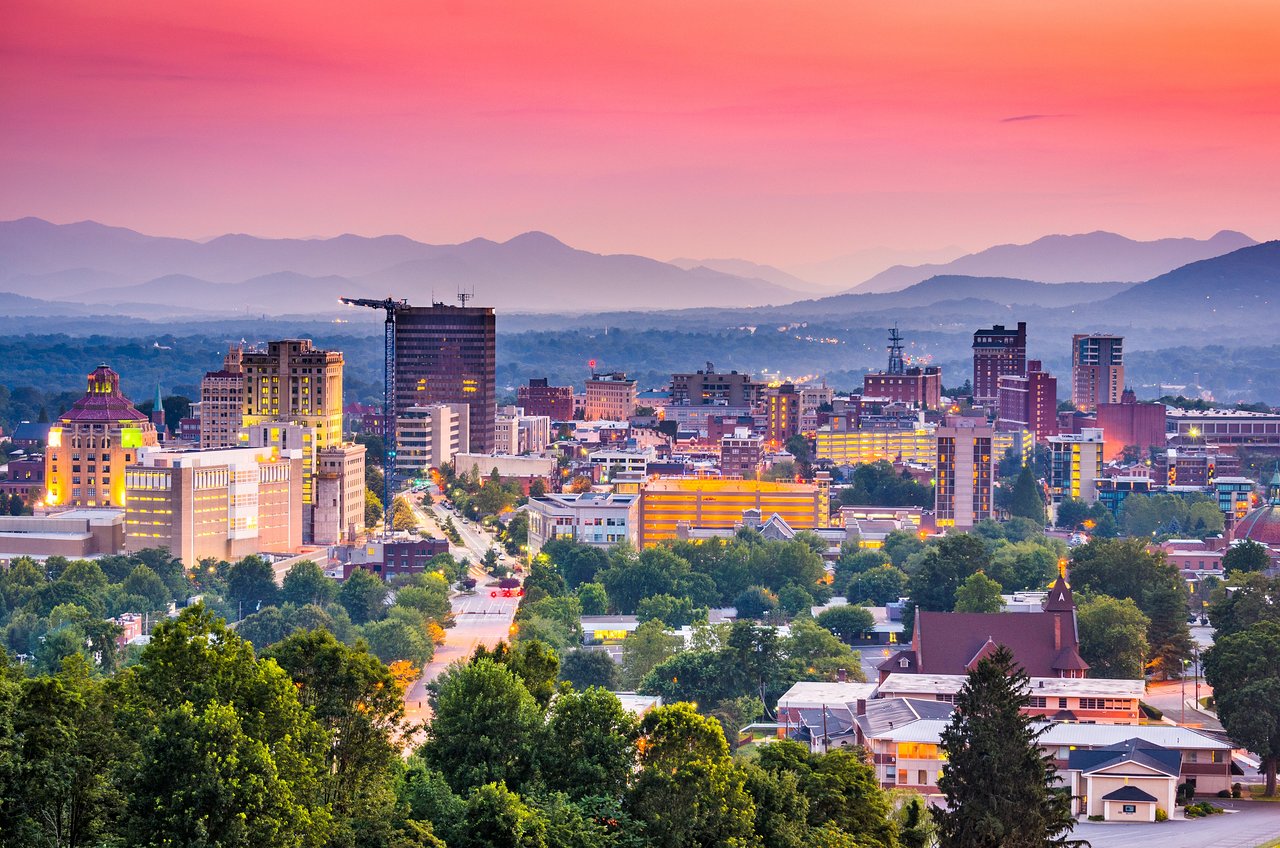
Hickory still carries its furniture and hosiery manufacturing history in its building stock, and that shows up directly in what an exchange investor finds on the replacement side. A lot of Catawba County's industrial inventory is older brick and block construction converted from textile or furniture use, not speculative build-to-suit product, and a coordinator pricing a Hickory exchange the same way they would price one in a newer Charlotte suburb is going to miss the diligence that older buildings actually require.
An investor comparing proposals for a Hickory replacement should ask whether the quote accounts for that building stock specifically, or whether it was written from a generic Piedmont checklist that never mentions the furniture and hosiery history at all.
What Hickory's industrial legacy means for diligence
Converted furniture-plant and hosiery-mill buildings along the rail corridor near downtown and out toward the US-321 industrial parks often carry roof, HVAC, and environmental questions a newer flex building would not. A phase one review that gets waved through in a newer submarket is not optional here, and a coordinator who has not budgeted for it in the base fee is going to bill it later as a change order.
Lender preflight matters more in this stock too, since financing an older industrial conversion can involve a tighter appraisal and inspection window than a newer building would.
Where replacement demand actually sits in Hickory
Retail and service demand clusters along US-321 and NC-127 toward Viewmont and Longview, pulled by Catawba Valley Medical Center and the daily commercial traffic serving Lenoir-Rhyne University. Multifamily interest has grown near downtown as older mill buildings get residential conversions, which creates a smaller but real replacement pool for investors willing to look at adaptive reuse rather than ground-up product.
A coordinator should be able to name which of these three pools a quote assumes, not just say Catawba County.
How Hickory's downtown revitalization changes the picture
Downtown Hickory has spent the last several years converting vacant furniture-industry storefronts and small mill buildings into breweries, restaurants, and residential lofts, which has pulled fresh capital into a district that sat mostly quiet for years. That shift matters for an exchange investor because it has widened the replacement pool beyond straight industrial into mixed-use and small-format retail, but it also means comparable sales data is thinner than in a submarket with a longer track record of turnover.
A coordinator working this corridor should be pulling recent downtown Hickory sales directly rather than leaning on countywide averages, since a mixed-use conversion two blocks from the square can price very differently than an industrial building on the edge of town.
Scope gaps that show up in Hickory bids
Recurring issues in competing Hickory proposals:
- No line item for environmental phase one review on converted furniture or textile buildings
- Identification amendments priced as add-ons rather than budgeted upfront
- Lender preflight on older-building financing left to the investor to chase down
- Rent-roll review for adaptive-reuse multifamily treated the same as new construction, missing renovation-cost variables
- Form 8824 support quoted separately and mentioned only near tax season
What a complete Hickory exchange file looks like
A clean file for an industrial or mixed-use replacement in Hickory includes a title commitment, a phase one summary if the building has manufacturing history, a lender preflight note, and a rent roll or lease abstract where applicable, assembled before the forty-five day identification window closes. Investors should ask each coordinator for a sample of that file, and should expect a named fallback property along US-321 or near downtown if the first choice falls through.
Lake Hickory's recreational draw has also pulled some retail and hospitality-adjacent investment north of the city, which is worth asking about if an investor's search extends past the core industrial and downtown pools.
Common 1031 Exchange Questions
Does a Hickory replacement property usually need an environmental review?
Often yes for older industrial buildings tied to the city's furniture or textile manufacturing history. Ask any coordinator whether a phase one summary is included in the base fee before assuming it is.
Is financing harder to arrange for a converted mill or furniture building in Hickory?
It can take a longer appraisal and inspection window than a newer building, which is a reason to run lender preflight early rather than after a property is identified.
What replacement asset types are actually available near Hickory?
Retail and service space along US-321 and NC-127, converted industrial near downtown and the rail corridor, and a smaller pool of adaptive-reuse multifamily in former mill buildings.
Does Catawba County affect how a Hickory exchange gets documented?
The county handles title and recording, but a coordinator should still assemble a rent roll, title commitment, and lender note specific to the property, not a generic county-level file.
How does the forty-five day window work for a Hickory industrial replacement?
The clock starts at the relinquished-property closing and does not pause for phase one review or lender underwriting, so both should start as soon as a candidate property is identified.