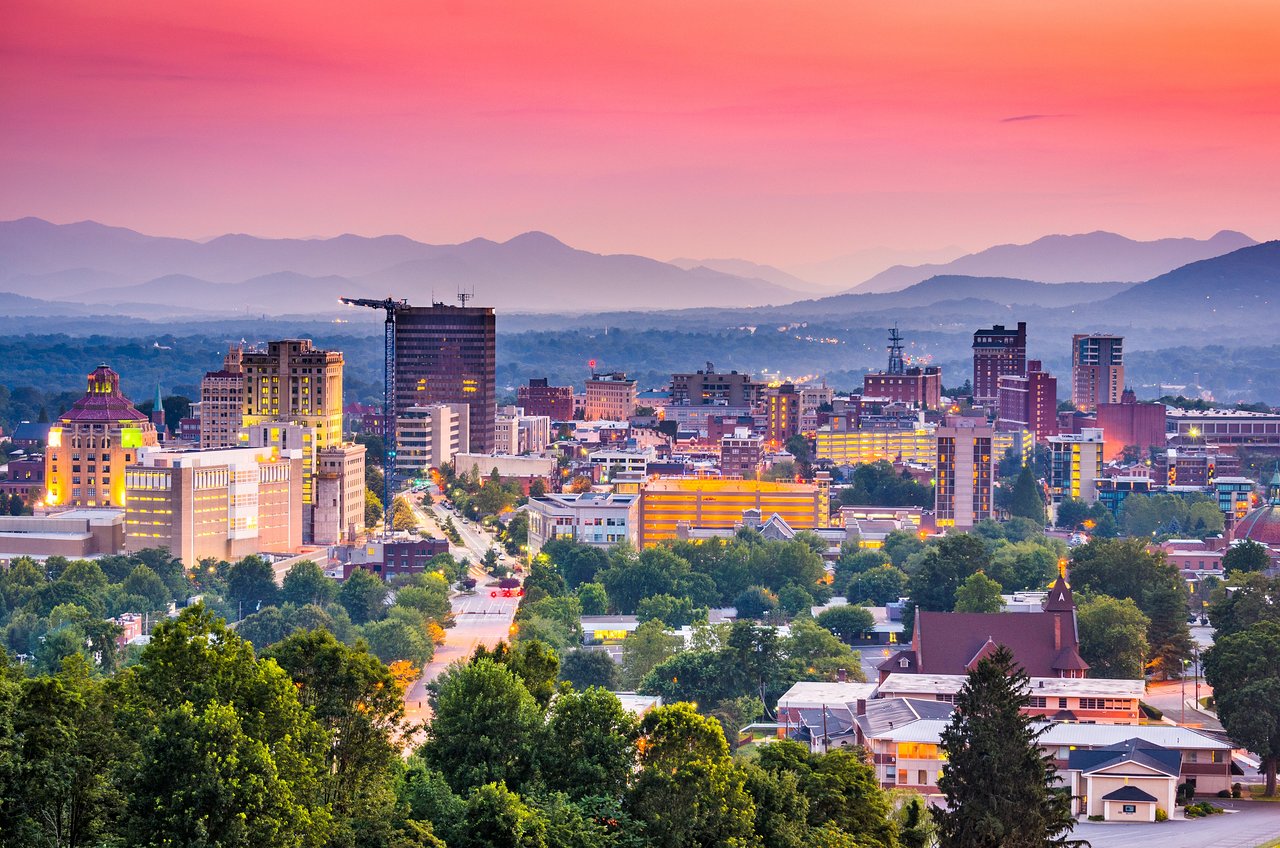
Albemarle sits far enough outside Charlotte that most coordinators still price it like a standalone Stanly County market, but that framing is starting to lag reality. Charlotte's outward growth along NC 24-27 has begun pulling investor attention into Albemarle's older industrial base, and a quote that has not adjusted for that spillover is working from stale comps.
An investor comparing bids should ask directly whether the coordinator has priced recent Stanly County transactions or is still working from a comp set that predates the current wave of Charlotte-adjacent interest.
What the flat-fee quote in Albemarle tends to skip
Most proposals price qualified intermediary escrow, document preparation, and one identification letter without flagging that Albemarle's industrial stock is largely legacy textile-era buildings that may need a Phase I environmental review before a lender will underwrite them. That review takes real calendar time, and a quote silent on it is setting an investor up to discover the delay mid-exchange.
The same quotes rarely mention that Albemarle's retail inventory is thin outside the NC 24-27 corridor, which means identification amendments are more likely here than a single-letter flat quote assumes.
Reading Albemarle's replacement inventory correctly
Albemarle's tradable stock is dominated by legacy industrial and warehouse buildings inherited from the town's textile manufacturing history, with a smaller retail and service-commercial base along NC 24-27 and US 52. A limited amount of recreation and hospitality-adjacent commercial property has emerged near Lake Tillery and Badin Lake, driven by second-home and tourism demand rather than a traditional office or medical-office market, which barely exists here.
A coordinator should be candid that industrial is the deepest lane in this market and that retail and lake-adjacent commercial candidates require a longer, more patient search.
Where scope gaps show up in an Albemarle engagement
Recurring gaps in competing quotes for this market:
- Phase I environmental review omitted for legacy textile-era industrial buildings
- Comp set not adjusted for Charlotte-area spillover demand moving into Stanly County
- Identification amendments priced as an add-on despite thin retail inventory outside the main corridors
- Lender preflight skipped even though older industrial buildings often draw more underwriting scrutiny
- Boot calculation left until after closing instead of modeled during identification
An investor should expect a Stanly County-specific proposal to name these items rather than assume a generic quote covers them.
Documentation an Albemarle exchange actually needs
A clean file for an industrial replacement in Albemarle includes a Phase I environmental report where the building has manufacturing history, a current rent roll if the space is multi-tenant, a title commitment, and a written lender preflight note. For lake-adjacent or retail candidates, the file should carry the trailing operating statement and a note on seasonal demand patterns tied to Lake Tillery and Badin Lake recreation.
Investors comparing coordinators should ask for a sample assembled file and confirm the coordinator has a fallback plan reaching toward Concord or Salisbury if Albemarle's own inventory does not produce a viable second candidate before day forty-five.
How Charlotte's growth is changing Albemarle's timeline math
As Charlotte's commercial and residential growth pushes further into Union and Cabarrus counties, some of that spillover interest is starting to reach Stanly County, where Albemarle's older industrial stock trades at a meaningful discount to comparable Charlotte-metro product. That gap is drawing more identification interest than the town saw five years ago, which means a coordinator who is not actively tracking which legacy buildings are moving fastest is working from outdated inventory data by the time an offer gets written.
Investors should also weigh that Stanly County's permitting and closing processes still move at a small-county pace, which can work in an investor's favor on timeline but requires a coordinator who knows the local register of deeds and closing attorneys rather than one used to Charlotte-metro turnaround.
Common 1031 Exchange Questions
Is Albemarle's industrial stock mostly older buildings
Yes. Much of it dates to the town's textile manufacturing era, so a Phase I environmental review is often needed before a lender will underwrite the property as replacement collateral.
Is Charlotte's growth reaching Albemarle's commercial market
Increasingly. Spillover investor interest from Charlotte-metro growth has started pulling into Stanly County, and a coordinator quoting this market should be working from current transaction data that reflects that shift.
Is retail replacement inventory available in Albemarle
It is thin outside the NC 24-27 and US 52 corridors, so an investor targeting retail should expect a narrower identification pool and should plan for possible amendments.
Does Lake Tillery affect commercial demand in Albemarle
It supports a small amount of recreation and hospitality-adjacent commercial property, driven mainly by seasonal and second-home demand rather than a year-round office or medical market.
Where should an Albemarle investor look if the local candidate falls through
Concord or Salisbury are the natural next steps, given their proximity and deeper commercial inventory compared to Albemarle's narrower, industrial-heavy stock.